

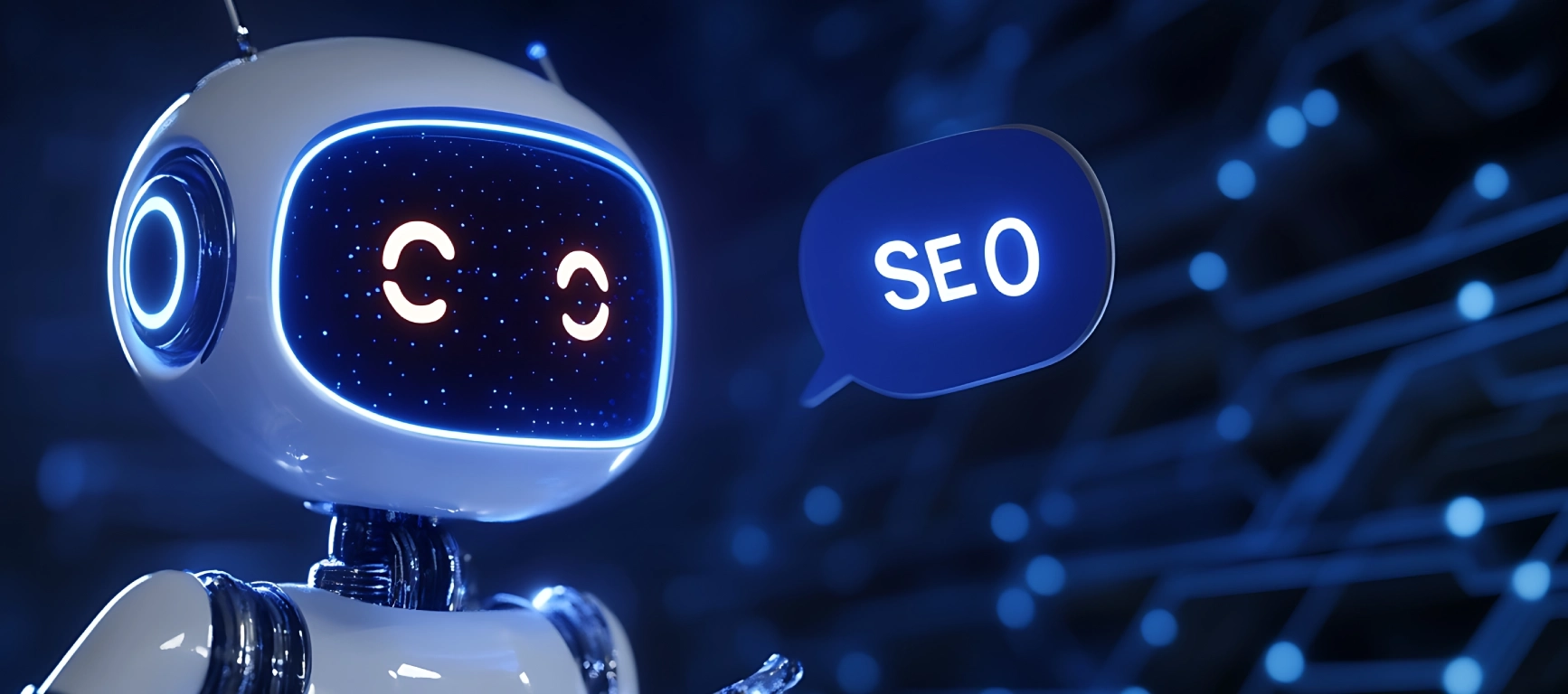
SEO in the Age of AI — What Really Works vs. What Doesn’t
Search engine optimization is no longer what it used to be. With artificial intelligence deeply embedded into search engines, content creation tools, and ranking systems, SEO has entered a new phase. The rules haven’t disappeared, they’ve evolved. Understanding SEO in the Age of AI means separating timeless principles from tactics that no longer deliver results.
AI has changed how search engines interpret intent, evaluate quality, and rank content. At the same time, it has changed how marketers produce content at scale. The challenge today isn’t whether to use AI, but how to use it without losing relevance, credibility, or trust.
How AI Is Changing Search
Search engines are no longer keyword-matching machines. Modern algorithms rely heavily on machine learning to understand context, intent, and satisfaction.
Through AI driven SEO, search platforms can now:
- Interpret complex search queries conversationally
- Understand semantic meaning beyond exact keywords
- Evaluate engagement signals more accurately
- Detect low-value or repetitive content faster
Frequent Google algorithm updates reflect this shift. Updates now prioritise usefulness, originality, and experience rather than surface-level optimisation. Pages that exist only to rank, without adding value, are increasingly filtered out.
AI has also changed how results are presented. Featured snippets, AI-generated summaries, and zero-click answers mean ranking alone is no longer the only goal. Visibility, clarity, and authority matter more than ever.
Effective Strategies That Still Work
Despite all the noise around automation and shortcuts, many SEO fundamentals remain powerful, when executed correctly.
Quality Content & User Intent
High-quality content has not lost its importance; in fact, it has become more critical. AI systems are trained to evaluate how well content satisfies user intent, not just how well it’s optimised.
Content that still works:
- Answers real questions clearly
- Demonstrates depth and understanding
- Matches search intent at every stage of the journey
- Is structured for readability and usefulness
Search engines now reward pages that feel written for people, not for algorithms. This is where a well-defined SEO strategy becomes essential, one that prioritises intent, clarity, and experience over keyword density.
What No Longer Works the Way It Used To
The rise of AI has exposed outdated SEO practices faster than ever.
Tactics losing effectiveness include:
- Keyword stuffing and over-optimisation
- Mass-produced, generic articles
- Thin pages created only to rank
- Automated content published without editing
Content automation can speed up workflows, but unreviewed, unoriginal output is increasingly easy for search engines to detect. AI-generated content that lacks insight, originality, or human perspective struggles to sustain rankings.
SEO is no longer about publishing more, it’s about publishing better.
What AI Cannot Replace
While AI is powerful, it has clear limitations. Understanding these boundaries is key to sustainable SEO success.
Creativity & Strategic Thinking
AI can generate content, but it cannot think strategically. It doesn’t understand brand nuance, competitive positioning, or long-term business goals.
Human-led strategy is still required to:
- Identify content gaps worth targeting
- Decide what not to publish
- Shape narratives that differentiate brands
- Align content with broader marketing goals
This is why combining AI tools with expert-led content creation services produces far better results than automation alone.
Ethical SEO Practices
Trust is becoming a ranking signal in its own right. AI systems are increasingly trained to recognise credibility, consistency, and transparency.
Ethical SEO focuses on:
- Honest representation of expertise
- Original insights rather than rephrased summaries
- Proper attribution and sourcing
- Long-term value over short-term manipulation
Shortcuts may still work temporarily, but they rarely survive sustained Google algorithm updates. Ethical practices, on the other hand, compound over time.
Human Experience Still Matters
AI can analyse patterns, but it cannot replicate lived experience. Content grounded in real-world insights, first-hand knowledge, and practical lessons consistently outperforms generic explanations.
Search engines are increasingly rewarding:
- Case-based insights
- Experience-led perspectives
- Nuanced opinions
- Content that reflects actual expertise
This shift aligns with how users evaluate information. People trust content that feels authentic, not automated.
Future Outlook
The future of SEO in the Age of AI isn’t about choosing between humans and machines. It’s about balance.
AI will continue to:
- Improve search interpretation
- Automate repetitive SEO tasks
- Assist with research and optimisation
Humans will continue to:
- Define strategy
- Create meaningful narratives
- Build trust and authority
- Adapt to changing user expectations
The brands that succeed will be those that use AI as a support system, not a replacement, for thinking, creativity, and judgment.
Final Thoughts
AI hasn’t killed SEO. It has simply raised the bar.
What works today is clarity, usefulness, and intent-driven content backed by strategy. What doesn’t work is mass production without meaning. In this evolving landscape, SEO success belongs to those who understand both technology and people.
By combining smart tools with human insight, brands can build visibility that lasts, no matter how search evolves.
FAQs
1. Does AI change keyword research?
Yes, AI shifts keyword research toward intent, context, and semantic relevance rather than exact-match terms.
2. Should you avoid AI generated content?
No, but AI content must be edited, enriched, and guided by human expertise to perform well.
3. Will AI replace SEO professionals?
No, AI supports SEO professionals, but strategy, creativity, and ethical judgment remain human-led.